
Getting to know your teeth
Understanding how your teeth work: Step one in keeping them for a lifetime
Two sets of teeth, one lifetime of health
Humans are diphyodonts. Unlike sharks, which can potentially go through 30,000+ teeth in their lifetimes, we only grow two successive sets of teeth.
- Primary (baby) teeth: Your first 20 teeth typically start appearing around 6 months. By age 3, you have a complete set serving as placeholders for your adult teeth.
- Secondary (permanent) teeth: Your permanent teeth begin arriving around age 6, and by age 14, most of your 32 permanent teeth are in.
- Wisdom teeth: These final molars usually emerge in the late teens or early twenties. Most modern jaws don’t have room for these extra four teeth, so dentists often recommend removing them to prevent crowding or infection.
The "Lineup": Different teeth for different jobs
Every tooth has a specific role:
- Incisors (front teeth): Shaped like tiny chisels, your four upper and lower front teeth are perfect for cutting into food.
- Canines (cuspids): These pointed teeth at the corners of your smile have a sharp, fang-like shape designed for tearing food.
- Premolars (bicuspids): These teeth have two points (cusps) for crushing and tearing.
- Molars: Your back teeth’s broad, flat surfaces act as the mouth’s grinders, breaking down food so it’s easy to swallow.
Inside a Tooth: Layers of Protection
Understanding your teeth’s layers makes it easier to appreciate the importance of early prevention.
| Layer | What it is | Why it matters |
|---|---|---|
| Enamel | The hard, white outer shell | Although it’s the hardest substance in the human body, it doesn’t grow back if it decays. |
| Dentin | The yellowish layer under the enamel | Softer than enamel, dentin contains tiny tubules that lead to the nerve. You’ll feel sensitivity if decay reaches this layer of your tooth. |
| Pulp | The tooth’s living center | The pulp contains blood vessels and nerves. Bacteria that reach the pulp can cause infection and necessitate a root canal. |
| Cementum | A hard tissue covering the root | Cementum helps anchor teeth to your jawbone via the periodontal ligament. |
Fun Facts about Your Teeth
- Unique as a fingerprint: No two sets of teeth match exactly. Even identical twins have unique dental prints.
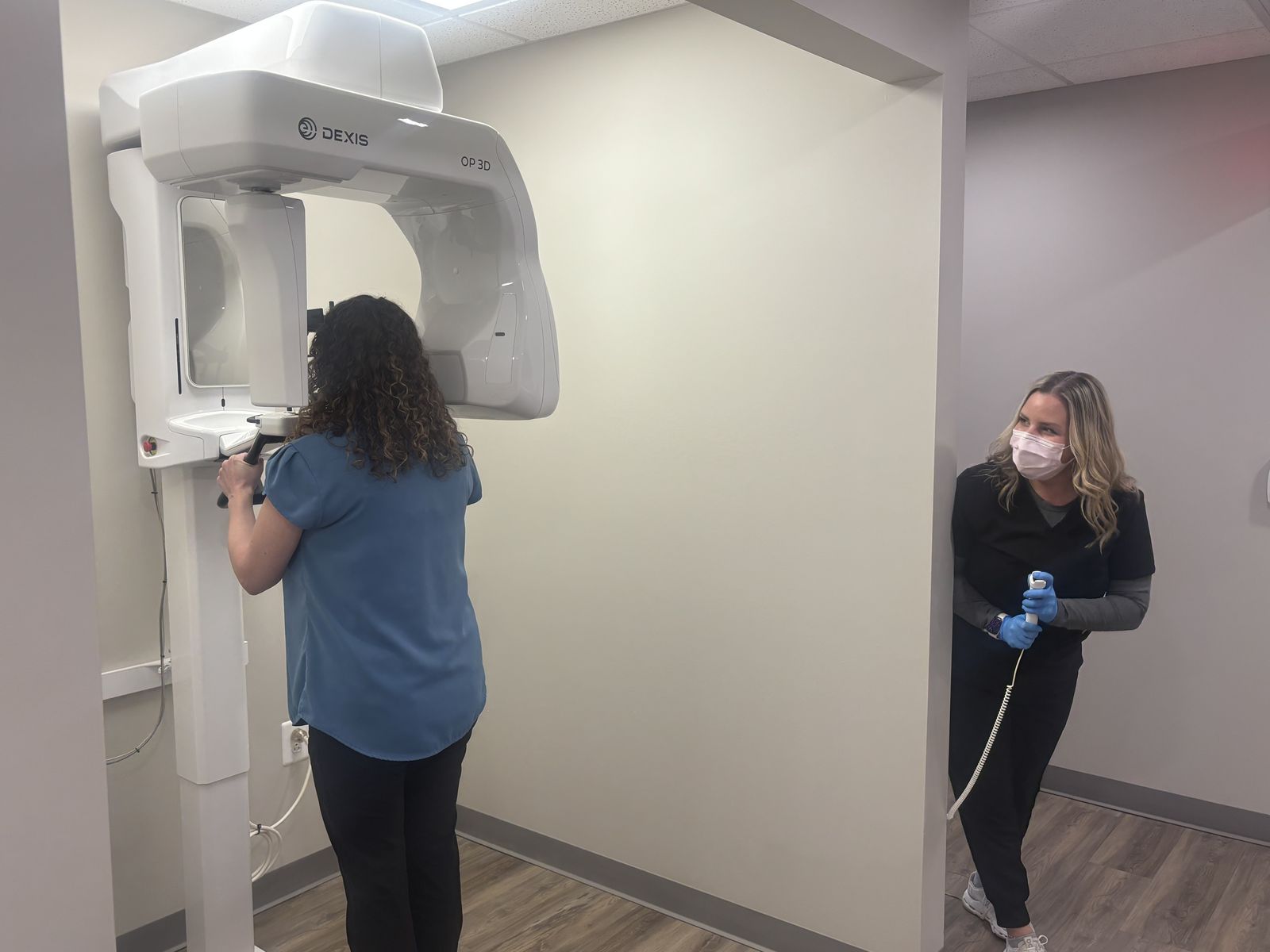
- The iceberg effect: Because your gums hide about a third of your teeth, we use X-rays to check the roots’ health.
- Enamel strength: Your tooth enamel is harder than your bones! It’s 96% mineral, making it incredibly durable, if you take care of it.
Frequently asked questions
Why do some people never get wisdom teeth?
Welcome to a cool evolutionary trait. About 35% of people are born without wisdom teeth. For the rest of us, wisdom teeth can become impacted (stuck), so we monitor them closely during the teen years.
Can teeth move even after you’re an adult?
Yes. Ligaments hold teeth in place. Age, tooth loss, or persistent habits like grinding can cause teeth to shift.
Why are my bottom front teeth so crowded?
Late crowding is common here and sometimes caused by the natural forward drifting of teeth as we age, or by the pressure of wisdom teeth.
Does a "chipped" tooth matter if it doesn't hurt?
Yes. A chip removes the protective enamel layer. While it might not hurt now, the exposed dentin is more susceptible to decay and temperature sensitivity.
Take care of the only smile you've got.
Call us at (610) 449-2001 (Drexel Hill Dental, Broomall) or (610) 345-0700 (Jennersville Family Dentistry, West Grove), or send a request and our front desk will follow up within one business day.