
Gentle, efficient care when you can’t save a tooth
Fast relief from pain and infection with a focus on your long-term oral health
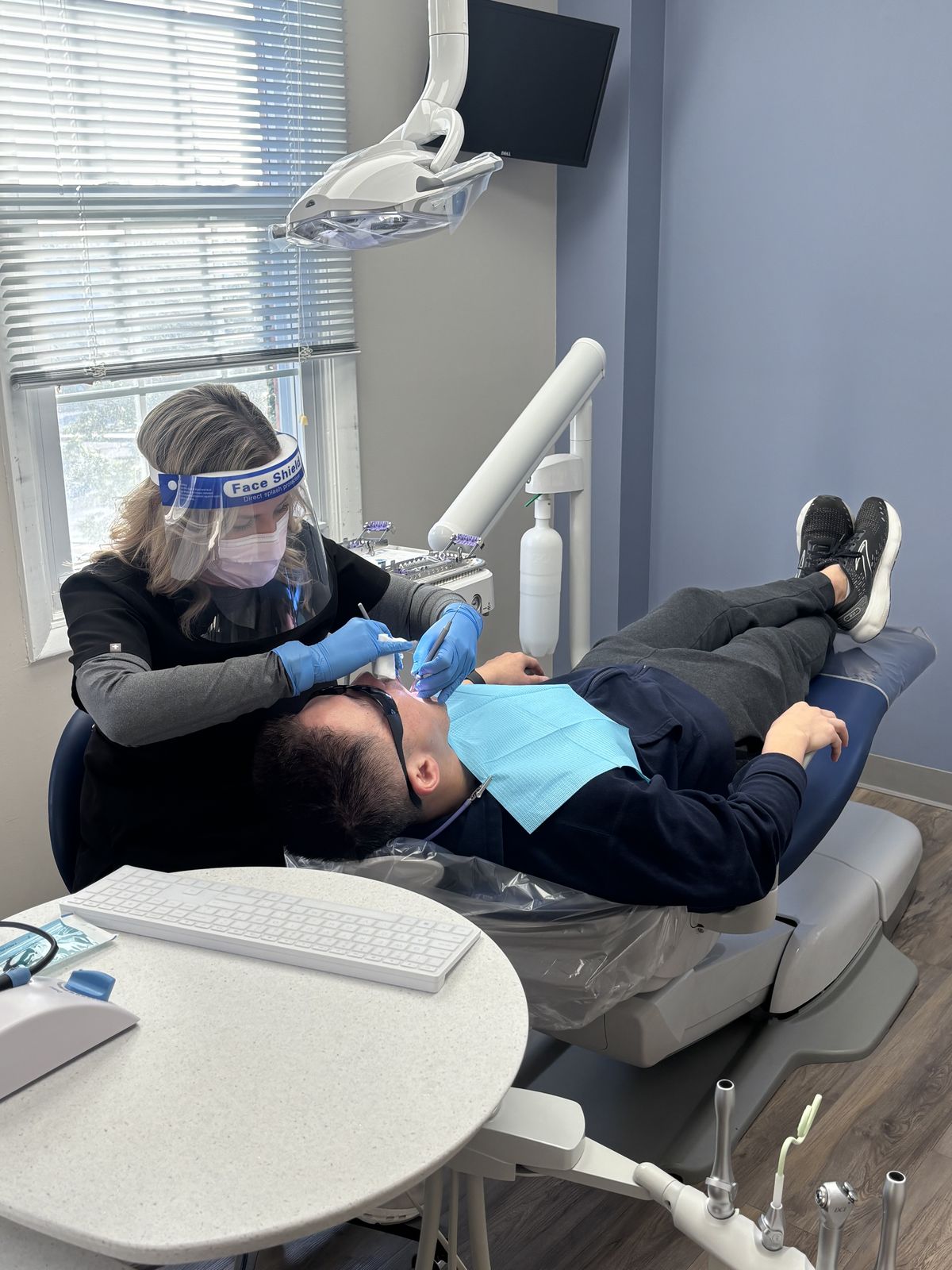
What is a tooth extraction?
While our goal is always to save your natural teeth, sometimes a tooth is beyond repair or threatening the alignment of its neighbors. When that happens, removing a tooth is the healthiest choice for your mouth. Modern extraction techniques are quick, precise, and designed to be as comfortable as possible.
Key benefits:
- Stops the spread of severe infection before it reaches the jawbone.
- Relieves chronic dental pain and pressure caused by decay or trauma.
- Makes room for orthodontic treatments like braces.
- Prevents crowding issues caused by impacted wisdom teeth.
Common reasons for extraction
We only recommend an extraction when it’s the most predictable and best way to protect your remaining teeth. Common scenarios include:
- Severe decay: Damage too extensive for a filling, crown, or root canal to fix.
- Advanced gum disease: When bone loss makes a tooth loose or unstable.
- Impacted wisdom teeth: Teeth that are stuck in the jaw and causing pain, cysts, crowding, or shifting.
- Dental trauma: Irreparable cracks or fractures from an injury.
- Orthodontic prep: Strategically removing teeth to create space for a perfectly aligned smile.
Step-by-step process
We understand that pulling a tooth sounds intimidating, but we prioritize creating a calm, gentle environment to put you at ease.
- Digital x-rays: We start by mapping the tooth’s roots and surrounding bone structure to find the best extraction route.
- Deep numbing: We use local anesthesia so you only feel slight pressure, but no pain.
- Simple extraction: For teeth visible above the gum line, we gently loosen and lift the tooth using special instruments.
- Surgical extraction: If a tooth is broken at the gum line or impacted (stuck), we perform a more involved process to carefully remove it.
- Site cleaning: After we remove any infected tissue from the socket, we do a deep cleaning.
- Suturing: If necessary, we’ll add a few dissolvable stitches to help the gums heal quickly and cleanly.
Simple vs. Surgical Extractions
Not all extractions are the same. Depending on your tooth’s position, we may refer you to oral surgery.
| Feature | Simple Extraction | Surgical Extraction |
|---|---|---|
| Complexity | Straightforward; tooth is fully visible | Complex; tooth is impacted or broken |
| Invasiveness | Minimal; no incisions needed | Requires a small incision in the gum |
| Tools | Handheld elevators and forceps | Specialized tools to access the tooth |
| Recovery | Very fast (usually 1-3 days) | Moderate (usually 5-7 days) |
| Common Use | Cavities or crowded teeth | Wisdom teeth or severely broken roots |
Aftercare & Longevity
What you do in the 24 hours following an extraction is important for a smooth recovery.
- The 24-hour rule: To prevent dry socket, resist the urge to use a straw, spit forcefully, or smoke because these actions can dislodge the healing blood clot.
- Bite on gauze: Keep firm, steady pressure on the site for 30-45 minutes after the extraction to stop any bleeding.
- Keep it cool: Use an ice pack on your cheek (20 minutes on, 20 minutes off) to minimize swelling for the first day.
- Eat soft foods: Stick to yogurt, smoothies, mashed potatoes, and other gentle foods for the first 48 hours post-extraction.
Frequently asked questions
Does getting a tooth pulled hurt?
With available numbing techniques, you shouldn’t feel anything but some pressure during the extraction itself. Most patients can manage post-op soreness with OTC painkillers.
What is dry socket, and how do I avoid it?
Dry socket happens if the empty socket loses its blood clot before the wound heals, which exposes the bone. You can avoid it by treating it gently, no suction (straws), smoking, or vigorous rinsing for at least 24 hours.
How long will I be out of work/school?
Most patients return to their normal routine within 24 to 48 hours, although we recommend avoiding heavy lifting or intense exercise for a few days.
What are my options for replacing the tooth afterward?
Unless it’s a wisdom tooth, you’ll probably want to fill the gap to prevent your other teeth from shifting. We can discuss dental implants, bridges, or partial dentures during your follow-up.
We’re here to help end your pain
Call us at (610) 449-2001 (Drexel Hill Dental, Broomall) or (610) 345-0700 (Jennersville Family Dentistry, West Grove), or send a request and our front desk will follow up within one business day.