
Transform your smile with dental bonding
A fast, affordable, and non-invasive solution for chips, gaps, and discoloration
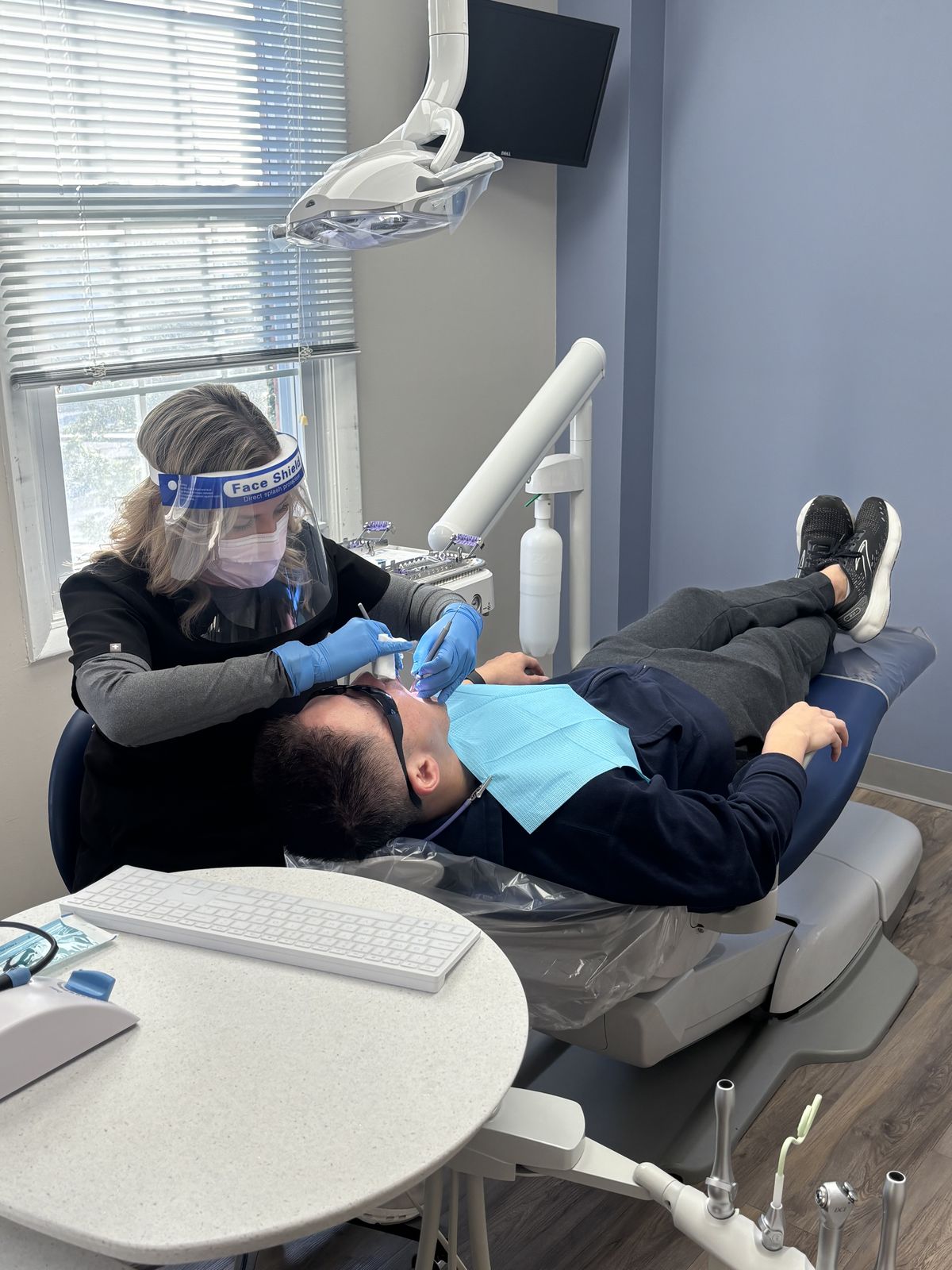
What is dental bonding?
Dental bonding uses a tooth-colored composite resin (the same material used for fillings) to literally sculpt a better-looking tooth. Because the resin is initially pliable, we can shape it to mask imperfections, close gaps, or repair chips, making it one of the most versatile tools in cosmetic dentistry.
Key benefits:
- You typically don’t need anesthesia.
- Most bonding treatments can be completed in an hour or less.
- It’s a cost-effective alternative to more expensive treatments like veneers.
What can bonding fix?
Bonding is a Swiss army knife in the dental restoration toolkit. We frequently use it for:
- Repairing decayed teeth (composite fillings).
- Fixing chipped or cracked teeth.
- Closing small gaps between teeth (diastema).
- Improving the appearance of discolored teeth.
- Reshaping teeth that are too short or irregularly shaped.
- Covering sensitive tooth roots that receding gums have exposed.
Step-by-step process
This straightforward process doesn’t take long and only requires one visit, which you may even be able to schedule on your lunch break!
- Prep: We use a shade guide to a resin color that matches your natural enamel.
- Conditioning: We lightly roughen the tooth surface to improve adhesion and apply a conditioning liquid to lock the bonding material in place.
- Application: We apply putty-like resin, molding and smoothing it into the desired shape.
- Curing: Once we’re happy with the shape, we use a special UV light or laser to instantly harden the material.
- Final polish: We trim and polish the resin until it matches the sheen on the rest of your teeth.
Bonding vs. veneers
While both treatments can create a movie star look, they differ in longevity and investment.
| Feature | Dental Bonding | Porcelain Veneers |
|---|---|---|
| Time | 1 visit | 2-3 visits |
| Durability | 3-10 years | 10-15+ years |
| Invasiveness | Minimal/none | Requires enamel removal |
| Cost | Lower upfront cost | Higher investment |
Aftercare & longevity
Composite resin is strong, but it’s not quite as hard as natural enamel. To keep the bonding from looking fresh:
- Watch the stains: The resin is most porous right after placement. Avoid coffee, tea, and red wine for the first 48 hours to prevent staining.
- Teeth aren’t tools: Don’t bite your fingernails, chew on ice, or use your mouth to carry something when you need an extra hand (resin can chip).
- Daily maintenance: Brush and floss as usual. Regular six-month professional cleanings will help keep the polished finish bright.
Frequently asked questions
Does dental bonding hurt?
Not at all. Since we’re usually just adding material to the tooth’s surface rather than removing enamel, there’s generally no pain or need for numbing.
How much does it cost?
Bonding is one of the most affordable cosmetic procedures you can get. While costs vary with the number of teeth treated, it’s significantly less expensive than porcelain restorations.
Can bonding be whitened?
No. Just like crowns and veneers, composite resin doesn’t respond to whitening gel. If you plan to whiten your teeth, we recommend doing so before your bonding appointment so we can match the resin to your new, brighter shade.
Ready for a smile refresh?
Call us at (610) 449-2001 (Drexel Hill Dental, Broomall) or (610) 345-0700 (Jennersville Family Dentistry, West Grove), or send a request and our front desk will follow up within one business day.