
Straighten your smile at any age
Modern orthodontic solutions to improve your bite, boost your confidence, and enhance your oral health
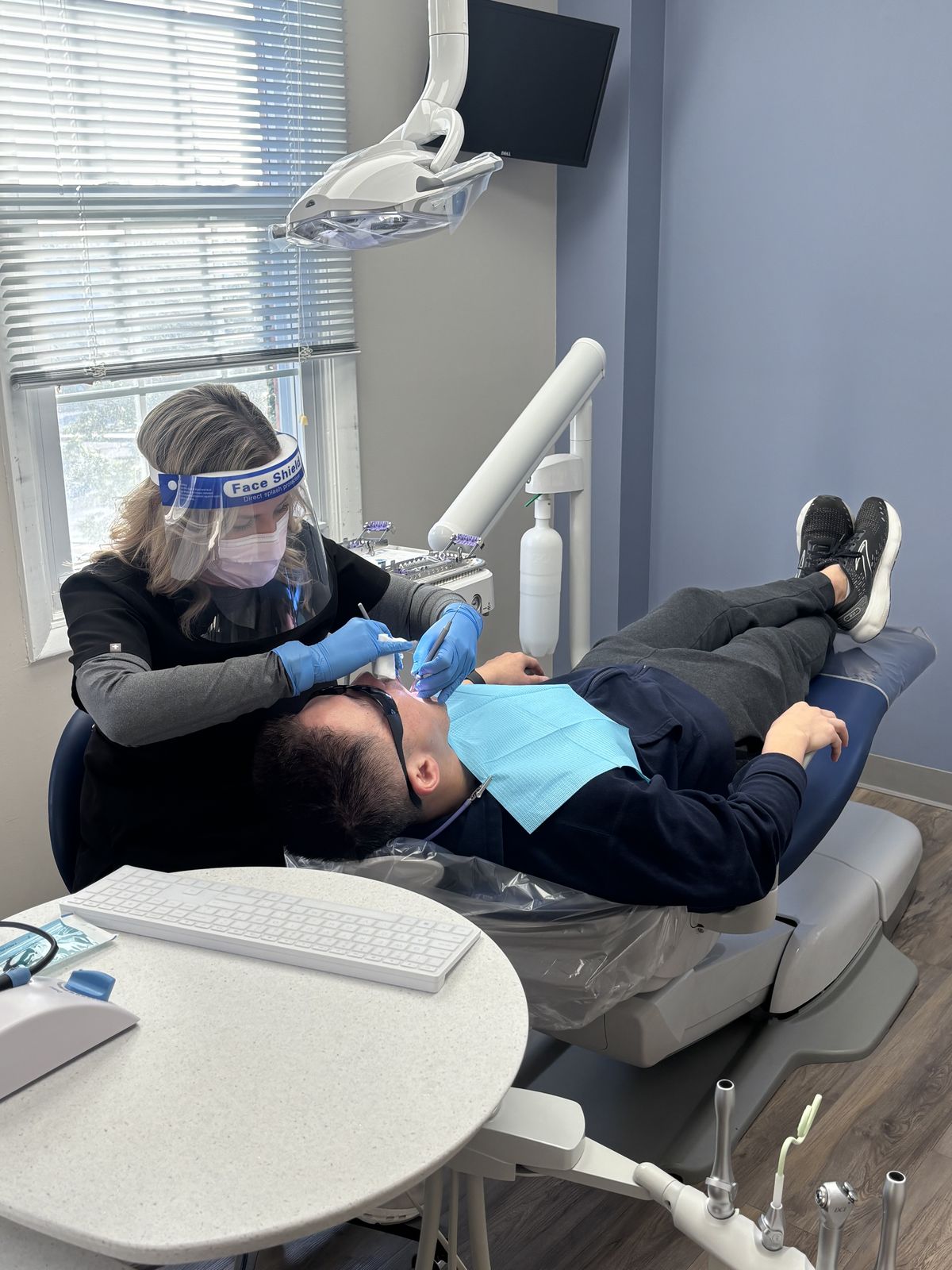
Intro: What is orthodontics?
When people think about orthodontics, most picture the braces used to straighten teeth, not the harmony it can achieve. But this specialized branch of dentistry focuses on diagnosing and treating misaligned teeth and jaws. By applying gentle, constant pressure over time, we carefully guide your teeth into their ideal positions. The result? A healthier, more beautiful smile that functions better and lasts longer.
Key benefits:
- Improves chewing and speaking ability.
- Makes teeth easier to clean, reducing the risk of decay and gum disease.
- Fixes jaw alignment issues that cause headaches or TMJ pain.
- Boosts self-esteem and facial aesthetics.
What can orthodontics correct?
Whether you need a minor tweak or a major relocation, we have the tools to address:
- Crowding: When there isn’t enough space in the jaw for teeth to fit naturally.
- Gapping: Large spaces or “diastemas” between teeth that can make you self-conscious.
- Overbite: When the upper front teeth overlap the lower teeth excessively.
- Underbite: When the lower teeth sit in front of the upper teeth.
- Crossbite: When upper teeth sit inside the lower teeth when you bite down.
- Impacted teeth: Teeth that are stuck in the bone and need a little help finding their way home.
Orthodontic Options
We have many options to get your teeth from point A to point B.
- Traditional Metal Braces: Still the gold standard for reliability. These high-grade stainless steel brackets are the most effective way to fix complex alignment issues.
- Invisalign® & Clear Aligners: Perfect for those who want a discreet look. These virtually invisible, removable trays straighten teeth without wires.
- Ceramic Braces: These clear or tooth-colored brackets blend in with your enamel, all the power of traditional braces with a much lower profile.
- Palatal Expanders: Used primarily for growing children to gently widen the upper jaw, creating room for adult teeth and correcting crowding or crossbites.
Step-by-step process for Invisalign
We offer only Invisalign treatment, so if you’d like to take a more traditional route, we’re happy to make a referral.
- Consultation: We start with a comprehensive exam, including 3D scans, X-rays, and digital photos to see the big picture.
- Tray manufacture: We send your scans and X-rays to a lab for manufacturing, and once they’re complete, you come back for your fitting.
- Wearing: Expect to wear each set of aligners for 20-22 hours a day, removing them only to eat, drink (anything besides water), brush, and floss.
- Adjustments: You’ll switch trays every 1-2 weeks as your teeth gradually shift and visit us every 6 to 8 weeks so we can check your aligner progress.
- Retention: We custom-fit a retainer to ensure your teeth stay in their new positions permanently.
Braces vs. Invisalign®
Choosing the right method for your smile depends on your lifestyle, specific dental needs, and budget.
| Feature | Traditional Braces | Invisalign® Clear Aligners |
|---|---|---|
| Visibility | Noticeable metal or ceramic | Virtually invisible |
| Removability | Fixed; cannot be removed | Removable for eating and cleaning |
| Diet | Must avoid sticky/hard foods | No dietary restrictions |
| Hygiene | Requires specialized flossing | Brush and floss normally |
| Complexity | Best for severe or skeletal cases | Ideal for mild to moderate cases |
Aftercare & Longevity
Once your braces come off, the work isn’t quite over, but you’re in the home stretch. Here’s how to keep that smile straight.
- Wear your retainer: Teeth have “memory” and will try to shift back without consistent retainer use.
- Oral hygiene: Brush after every meal to prevent “white spots” or plaque buildup around hardware (braces or permanent retainers).
- Protect your mouth: If you play contact sports, wear an orthodontic mouthguard.
- Attend all visits: Your treatment time is an estimate, and even after you graduate from braces, you’ll have periodic retainer checks. Missing adjustment appointments can significantly extend your treatment time.
Frequently asked questions
Am I too old for braces?
Short answer: Never! About one in four orthodontic patients today is an adult. As long as your teeth and gums are healthy, we can move them.
How long does orthodontic treatment take?
Most cases take between 12 and 24 months, though minor alignment issues can sometimes be fixed in as few as six months.
Will it be painful?
You’ll probably feel some soreness or pressure for a few days after a wire tightening or getting a new set of aligners. That tenderness means your teeth are moving. You can manage any pain with OTC relievers.
How much do braces or Invisalign cost?
Cost varies depending on the complexity of the move. We provide a full breakdown of fees and offer flexible payment plans during your initial consultation. Some dental insurance plans also cover a portion of the cost.
The smile you’ve always wanted is within reach.
Call us at (610) 449-2001 (Drexel Hill Dental, Broomall) or (610) 345-0700 (Jennersville Family Dentistry, West Grove), or send a request and our front desk will follow up within one business day.